

Introduction
Audio-visual methodology is aimed at supporting and empowering people involved in the field of agriculture to define, promote and take full ownership of their own development, as learning is a life-long process.
Skills development is a key driver of socio-economic development. Mainstreaming of agricultural development efforts is crucial to ensure congruence and effective deployment of resources.
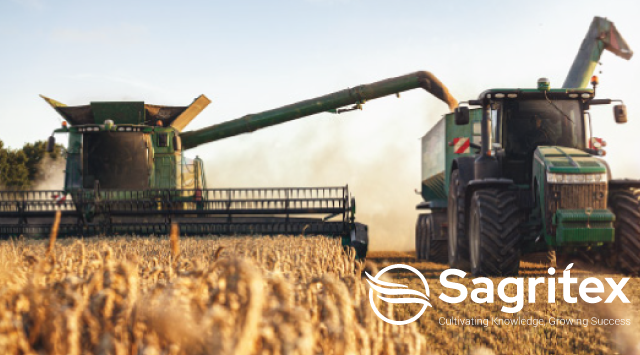
Grain production is a total farming process which includes a lot of activities and planning from planting to harvesting
Who Should Enrol
All people involved in the field of agriculture
Course Design
A way to bolster agricultural production is to develop practical agricultural education systems. A powerful way of doing this is through the use of audiovisual modules which is a highly effective and tested methodology to approach, examine and impart knowledge.
This is a comprehensive series of modules that follow a step by step process and can be used in group training or self-study – and are structured according to visual training guidelines. This implies defining most of the terminology used and where necessary, supporting the visual storyline with graphics and animation to enhance the learning process and ensure that sustainable knowledge is gained in the learning process.
These modules are designed to do precisely what they are meant to do – and that is to support skills development.
Online Video Series Supporting Agri Skills Development and Best Farming Practices.
Course Content
This course covers the following topics:
- Introduction
- Good farming Practices
- Value chain
- Soil, climate, crop interaction
- Crop rotation systems
- Soil Preparation
- Soil classification
- Soil structures
- Cultivar choice
- Biotechnology 1
- Biotechnology 2 (Weed Scenarios)
- Biotechnology 3 (Roundup Ready)
- Soil sampling
- Taking of soil samples
- Soil testing parameters
- Basic liming principles
- pH and liming
- Lime requirements for soil
- Planting process
- Planter calibration
- Fertilizer placing
- Liquid Fertilizer calibration
- Plant Nutrition
- Macro and Micro elements
- Plant nutrition requirements
- Nutrition needs assessment
- Top dressing
- Liquid Fertilisation
- Leaf sap analysis
- Micro – Macro element absorption balance
- Organic matter breakdown
- Plant reaction to Nematodes
- Precision Agriculture 1
- Precision Agriculture 2
- Precision Agriculture 3
- Weed control 1
- Weed control 2
- Vertical aspect interaction
- Horizontal aspect interaction
- Profitability equation
Learning Outcomes
Have a better understanding of some of the important aspects of grain production including the following:
- Good farming practices
- Value chain
- Soil, climate, crop interaction
- Soil preparation
- Biotechnology
- Soil sampling
- Fertilization
- Plant nutrient requirements
- Precision agriculture
- Weed control
- Teacher: Anna Krynie

Introduction
Audio-visual methodology is aimed at supporting and empowering people involved in the field of agriculture to define, promote and take full ownership of their own development, as learning is a life-long process.
Skills development is a key driver of socio-economic development. Mainstreaming of agricultural development efforts is crucial to ensure congruence and effective deployment of resources.
Grain production is a total farming process which includes a lot of activities and planning from planting to harvesting
Who Should Enrol
All people involved in the field of agriculture
Course Design
Online Video Series Supporting Agri Skills Development and Best Farming Practices
Course Content
- Ploughing
- Seedbed preparation
- Planting
- Boom sprayer calibration
- Soil sampling and analysis
- Leaf sampling and analysis

Introduction
Audio-visual methodology is aimed at supporting and empowering people involved in the field of agriculture to define, promote and take full ownership of their own development, as learning is a life-long process.
Skills development is a key driver of socio-economic development. Mainstreaming of agricultural development efforts is crucial to ensure congruence and effective deployment of resources.
Large areas of the Republic of South Africa are subject to hot and dry climatic conditions, high evaporation and a low and intermittent rainfall, where optimal crop production is not possible without the addition of plant available water by means of irrigation.
Who Should Enrol
All people involved in the field of agriculture
Course Design
A way to bolster agricultural production is to develop practical agricultural education systems. A powerful way of doing this is through the use of audio visual modules which is a highly effective and tested methodology to approach, examine and impart knowledge.
This is a comprehensive series of modules that follow a step by step process and can be used in group training or self study – and are structured according to visual training guidelines. This implies defining most of the terminology used and where necessary, supporting the visual storyline with graphics and animation to enhance the learning process and ensure that sustainable knowledge is gained in the learning process.
These modules are designed to do precisely what they are meant to do – and that is to support skills development.
Online Video Series Supporting Agri Skills Development and Best Farming Practices.
Course Content
This course covers the following topics:
- Introduction
- Soil
- Centre pivot Irrigation
- Drip Irrigation
- Flood Irrigation
- Sprinkler Irrigation
Learning Outcomes
On completion of this video series, candidates will be able to have a basic understanding of the important role of and contribution of correct irrigation practices including the following:
- Understand the soil
- Drip Irrigation
- Sprinkler Irrigation
- Centre pivot Irrigation
- Flood Irrigation

Kursus Inleiding
Oudiovisuele metodologie is daarop gemik om mense betrokke by die landbou te ondersteun en te bemagtig om hul eie ontwikkeling te definieer, te bevorder en volle eienaarskap te neem, aangesien leer 'n lewenslange proses is.
Vaardigheidsontwikkeling is 'n sleutelaandrywer van sosio-ekonomiese ontwikkeling. Hoofstroom van landbou-ontwikkelingspogings is van kardinale belang om kongruensie en effektiewe ontplooiing van hulpbronne te verseker.
Produsente is blootgestel aan produksie risikos. Verskansing het ten doel om jou boerdery se risiko minder te maak en winsmarges op jou fisiese graan vas te lê.
Teikengehoor
Alle mense betrokke op die gebied van landbou.
Kursus Ontwerp
’n Manier om landbouproduksie te versterk, is om praktiese landbou-onderwysstelsels te ontwikkel. 'n Kragtige manier om dit te doen is deur die gebruik van oudiovisuele modules wat 'n hoogs effektiewe en beproefde metodologie is om kennis te benader, ondersoek en oor te dra.
Hierdie modules is ontwerp om presies te doen wat hulle bedoel is om te doen – en dit is om vaardighede te ondersteun.
Aanlyn videoreeks wat Agri-vaardigheidsontwikkeling en beste boerderypraktyke ondersteun.
Kursusinhoud
Hierdie kursus dek die volgende onderwerpe:
- Bemarkings Versekering
- Produk Risikos
- Termyn Mark
- Futures Mark
- Invoer/Uitvoer Pariteit
Leeruitkomste
Na voltooiing van hierdie videoreeks, sal kandidate 'n beter begrip van risiko versekering van graan produkte kan hê, insluitend die volgende aspekte:
- Bemarkings Versekering
- Produk Risikos
- Termyn Mark
- Futures Mark
- Invoer/Uitvoer Pariteit
- Teacher: Anna Krynie
Introduction
Audio-visual methodology is aimed at supporting and empowering people involved in the field of agriculture to define, promote, and take full ownership of their development, as learning is a life-long process.
Skills development is a key driver of socio-economic development. Mainstreaming of agricultural development efforts is crucial to ensure congruence and effective deployment of resources.
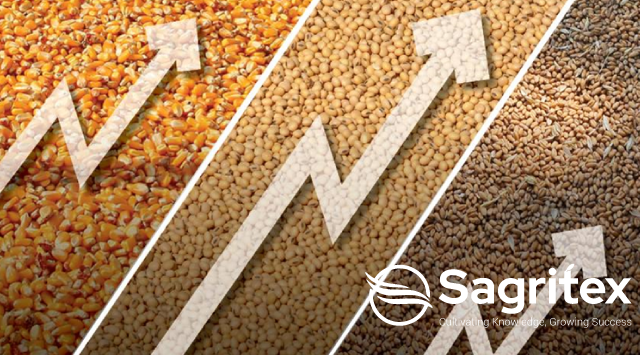
The South African Futures Exchange (Safex) consists of two divisions; a financial markets division for trading of equity derivatives and an agricultural markets division (AMD) for trading of agricultural derivatives.
Who Should Enrol
All people involved in the field of agriculture.
Course Design
A way to bolster agricultural production is to develop practical agricultural education systems. A powerful way of doing this is through the use of audio-visual modules which is a highly effective and tested methodology to approach, examine, and impart knowledge.
This is a comprehensive series of modules that follow a step-by-step process and can be used in group training or self-study – and are structured according to visual training guidelines. This implies defining most of the terminology used and where necessary, supporting the visual storyline with graphics and animation to enhance the learning process and ensure that sustainable knowledge is gained in the learning process.
These modules are designed to do precisely what they are meant to do – and that is to support skills development.
Online Video Series Supporting Agri Skills Development and Best Farming Practices.
Course Content
This course covers the following topics:
- Introduction
- Price Volatility
- Risk Management
- Futures Market
- Spot Market
- Trading on the Futures Market
- Real Life Example
- Hedge or Speculate
- Payments and Cashflows
- Process and Role Players
On completion of this video series, candidates will be able to:
Have a better understanding of some of the important aspects of Safex including the following:
- Price Volatility
- Risk Management
- Futures Market
- Spot Market
- Trading on the Futures Market
- Real Life Example
- Hedge or Speculate
- Payments and Cashflows
- Process and Role Players
- Teacher: Anna Krynie
Introduction
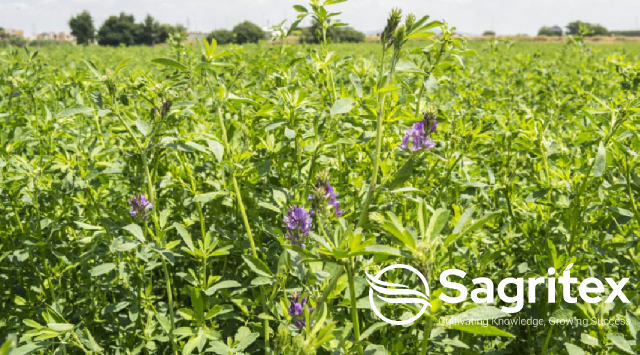
Lucerne is a reliable plant for use as extensive pasture, intensive forage, and fodder under irrigation. livestock production and increases in the yield and quality of subsequent cereal crops.
Lucerne crops can be grown by farmers who are seeking a nutritious, soil-enriching source of forage for their livestock.
An established lucerne pasture provides an alternative source of forage for animal production, especially outside the growing season of annual crops and pastures.
On completion of this very basic video series, candidates should be able to have a better understanding of some of the important aspects of lucerne production including the following:
- Soil sampling
- Fertilization
- Plant nutrient requirements
- precision agriculture
- Weed control
- Teacher: Anna Krynie
Introduction
Audio-visual methodology is aimed at supporting and empowering people involved in the field of agriculture to define, promote and take full ownership of their own development, as learning is a life-long process.
Skills development is a key driver of socio-economic development. Mainstreaming of agricultural development efforts is crucial to ensure congruence and effective deployment of resources.
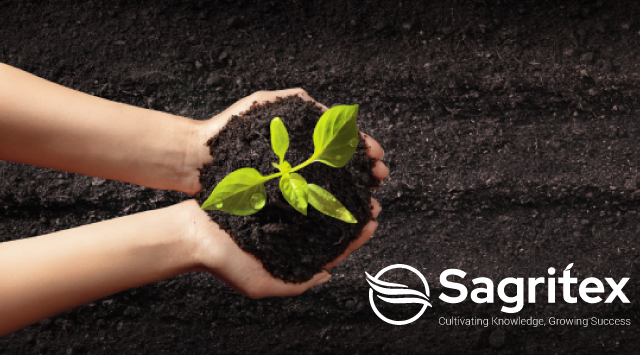
Different soils and crops require different fertilizers and fertilization is only a means to an end. The objective is to ensure the optimum yield for various crops and this is only possible if the full potential of the soil is unlocked
Who Should Enrol
All people involved in the field of agriculture
Course Design
A way to bolster agricultural production is to develop practical agricultural education systems. A powerful way of doing this is through the use of audio visual modules which is a highly effective and tested methodology to approach, examine and impart knowledge.
This is a comprehensive series of modules that follow a step by step process and can be used in group training or self study – and are structured according to visual training guidelines. This implies defining most of the terminology used and where necessary, supporting the visual storyline with graphics and animation to enhance the learning process and ensure that sustainable knowledge is gained in the learning process.
These modules are designed to do precisely what they are meant to do – and that is to support skills development. Online Video Series Supporting Agri Skills Development and Best Farming Practices.
Course Content
This course covers the following topics:
- Fertilization
- Soil as growth medium
- Growth factors
- Fertilization
- Conservation farming
- Biological farming
- Chemical fertility of soil
- Soil reaction
- Role of essential plant nutrients
- Phosphate
- Potassium
- Calcium and Sulphur
- Micro-elements
- Molybdenum
- Urea
- Plant requirements
- Managing leaf growth
- Macro-elements
- Micro-elements
- Root development and nutrient absorption
- Soil Prep
- Precision farming
Learning Outcomes
On completion of this video series, candidates will be able to have a better understanding of some of the important aspects of soil and nutrients including the following:
- General fertilization aspects
- The importance of soil as growth medium
- Soil potential, fertility, texture and structure
- Plant nutrient formulations
- The role of essential plant nutrients
- The different roles of macro and micro elements
- Plant root development
- Soil preparation
- Biological farming
- Organic fertilization
- Microbe activity
- Teacher: Anna Krynie

Kursus Inleiding
Oudiovisuele metodologie is daarop gemik om mense betrokke by die landbou te ondersteun en te bemagtig om hul eie ontwikkeling te definieer, te bevorder en volle eienaarskap te neem, aangesien leer 'n lewenslange proses is.
Vaardigheidsontwikkeling is 'n sleutelaandrywer van sosio-ekonomiese ontwikkeling. Hoofstroom van landbou-ontwikkelingspogings is van kardinale belang om kongruensie en effektiewe ontplooiing van hulpbronne te verseker.
Grasse, ook bekend as eensaadlobbige (monocot) of smal-blaar plante, is 'n belangrike komponent van weiding. Benewens as veevoer word gras ook vir baie ander doeleindes gebruik. Van die belangrikste spesies wat in die natuurlike grasvlaktes voorkom, is rooigras (Themeda triandra), buffelsgras (Panicum maximum en Panicum coloratium) en bloubuffelsgras (Cenchrus ciliaris)
Teikengehoor
Alle mense betrokke op die gebied van landbou.
Kursus Ontwerp
’n Manier om landbouproduksie te versterk, is om praktiese landbou-onderwysstelsels te ontwikkel. 'n Kragtige manier om dit te doen is deur die gebruik van oudiovisuele modules wat 'n hoogs effektiewe en beproefde metodologie is om kennis te benader, ondersoek en oor te dra.
Hierdie is 'n omvattende reeks modules wat 'n stap-vir-stap proses volg en in groepopleiding of selfstudie gebruik kan word – en is volgens visuele opleidingsriglyne gestruktureer. Dit impliseer die definisie van die meeste van die termonologie wat gebruik word en waar nodig, die ondersteuning van die visuele storielyn met grafika en animasie om die leerproses te verbeter en te verseker dat volhoubare kennis in die leerproses opgedoen word.
Hierdie modules is ontwerp om presies te doen wat hulle bedoel is om te doen – en dit is om vaardighede te ondersteun.
Aanlyn videoreeks wat Agri-vaardigheidsontwikkeling en beste boerderypraktyke ondersteun.
Kursusinhoud
Hierdie kursus dek die volgende onderwerpe:
- Algemene Oorsig
- Rooigras
- Fingergras
- Wit Buffelsgras
- Blou Buffelsgras
- Kweek
Leeruitkomste
Na voltooiing van hierdie videoreeks, sal kandidate 'n beter begrip van enkele grassoorte kan hê inslutend die volgende:
- Algemene Oorsig
- Rooigras
- Fingergras
- Wit Buffelsgras
- Blou Buffelsgras
- Kweek
- Teacher: Anna Krynie

Introduction
Audio-visual methodology is aimed at supporting and empowering people involved in the field of agriculture to define, promote, and take full ownership of their development, as learning is a life-long process.
Skills development is a key driver of socio-economic development. Mainstreaming of agricultural development efforts is crucial to ensure congruence and effective deployment of resources.
The seed plants play an integral role in all aspects of life on the planet, shaping the physical terrain, influencing the climate, and maintaining life as we know it. For millennia, human societies have depended on seed plants for nutrition and medicinal compounds.
Who Should Enrol
All people involved in the field of agriculture.
Course Design
A way to bolster agricultural production is to develop practical agricultural education systems. A powerful way of doing this is through the use of audio-visual modules which is a highly effective and tested methodology to approach, examine, and impart knowledge.
This is a comprehensive series of modules that follow a step-by-step process and can be used in group training or self-study – and are structured according to visual training guidelines. This implies defining most of the terminology used and where necessary, supporting the visual storyline with graphics and animation to enhance the learning process and ensure that sustainable knowledge is gained in the learning process.
These modules are designed to do precisely what they are meant to do – and that is to support skills development.
Online Video Series Supporting Agri Skills Development and Best Farming Practices.
Course Content
This course covers the following topics:
- Seed Plants Introduction
- Maize Seed Quality and Protection
- Wheat seeds
- Breeding 1
- Breeding 2
- Wheat Flour
- Storage and Seed banks
- Sunflowers
- Canola
- Vegetables
- Tomato Varieties
- Beans
- Onions
- Quality Control
On completion of this video series, candidates will be able to:
Have a better understanding of some of the important aspects of the different seed types and plants including the following:
- Maize Seed Quality and Protection
- Wheat seeds
- Breeding 1
- Breeding 2
- Wheat Flour
- Storage and Seed banks
- Sunflowers
- Canola
- Vegetables
- Tomato Varieties
- Beans
- Onions
- Quality Control
- Teacher: Anna Krynie
